
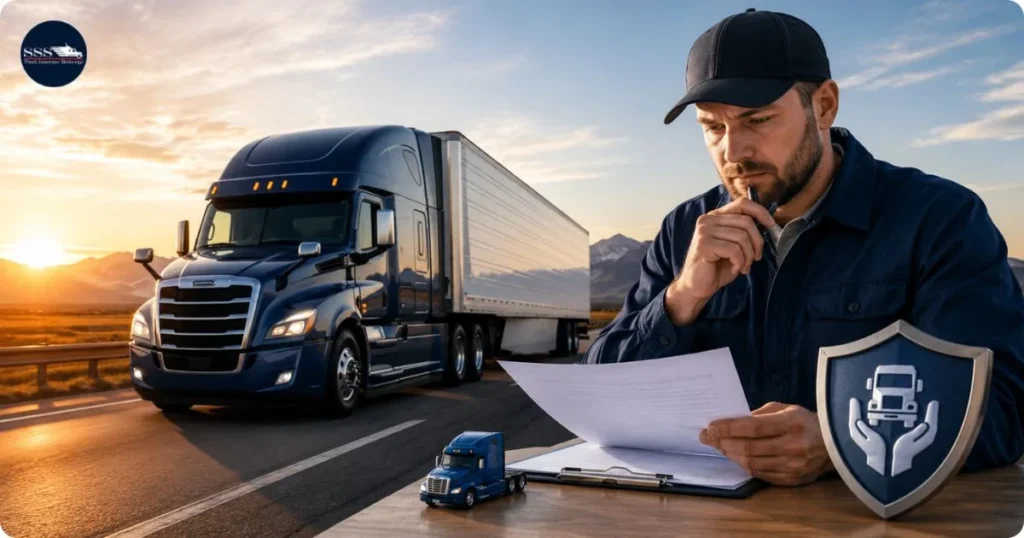
Insurance is a crucial part of every CDL driver’s career, especially for those holding a Commercial Driver’s License (CDL). Beyond meeting legal requirements, the right coverage helps safeguard your vehicle, cargo, income, and business operations. Understanding insurance policies, coverage options, and compliance standards can help drivers make informed decisions.
In this blog, we’ll explore the mandatory insurance requirements for CDL drivers.
Understanding CDL Driver Insurance
CDL allows individuals to operate large commercial vehicles such as semi-trucks, tractor-trailers, and other heavy-duty vehicles. Since these vehicles carry higher risks than personal automobiles, specialized insurance coverage is often required.
FMCSA states that commercial motor vehicles require specialized licensing and insurance requirements due to the increased risks associated with commercial transportation. This is designed to protect both drivers and businesses. Depending on the type of work you perform, your insurance needs may vary significantly.
Important CDL Insurance Rules and Requirements
For CDL drivers, insurance is more than just a safety measure—it is a legal requirement for operating commercial vehicles. Here’s what you need to know:
1. Key Legal Requirements
Liability coverage forms the foundation of commercial truck insurance and is legally required for CDL drivers. It helps cover bodily injury and property damage claims if a driver is responsible for an accident. Understanding both federal and state insurance requirements is essential for maintaining compliance, protecting assets, and operating legally on the road.
2. Types of Insurance Policies
CDL driver insurance can be chosen from several insurance options depending on the operations. Liability insurance covers third-party damages, while physical damage insurance protects the truck itself. Cargo insurance safeguards transported goods, and bobtail insurance covers trucks driven without trailers.
Occupational accident insurance may also provide financial support for work-related injuries. Selecting the right combination of policies helps create comprehensive protection.
3. Factors Affecting Insurance Costs
Several factors influence commercial truck insurance premiums. Top truck insurance providers typically evaluate a driver’s record, years of experience, cargo type, operating radius, and vehicle value. Drivers transporting hazardous materials or operating in high-risk areas may pay higher premiums.
Maintaining safe driving habits and demonstrating industry experience can often help reduce overall insurance costs while improving eligibility for better coverage options.
4. Understanding the Role of Documentation
Proper documentation is critical when filing an insurance claim. Drivers should keep records of accident reports, photographs, repair estimates, medical expenses, and communication with insurers.
Organized evidence helps you verify the details of a claim and can speed up the approval process. Maintaining accurate records also improves the likelihood of receiving fair compensation following a covered incident.
5. Navigating the Insurance Claims Process
Knowing how the claims process works can save time and reduce stress after an accident. CDL drivers should report incidents promptly, gather evidence at the scene, and provide accurate documentation to their insurance company.
After reviewing the claim and assessing damages, the insurer determines eligibility and settlement amounts. Being prepared helps ensure a smoother and more efficient claims experience.
6. Additional Coverage Options
Beyond standard insurance requirements, many CDL drivers invest in additional coverage for greater financial protection, including:
- Gap Insurance: Covers the difference between a truck’s actual cash value and the remaining loan balance if the vehicle is declared a total loss.
- Non-Trucking Liability Insurance: Provides coverage when a truck is used for personal, non-business purposes.
- Downtime Insurance helps offset lost income while a vehicle is being repaired after a covered incident.
- Passenger Accident Coverage offers financial protection for authorized passengers injured in an accident.
Choosing the right combination of additional coverage can strengthen your overall insurance plan and help protect both your income and assets.
End Note
Truck driving comes with both opportunities and risks, making the right insurance essential. For CDL drivers, insurance is more than a legal requirement—it provides vital protection, financial security, and peace of mind.
If you are looking for the best truck insurance package, consult SSS Truck Insurance Brokerage. We offer the right insurance policy for CDL drivers, safeguarding their livelihood against the unexpected. Request a quote to find the best rate to fulfill your needs.
FAQs
1. What does CDL driver insurance typically cover?
CDL driver insurance generally covers liability, vehicle damage, cargo loss, and certain work-related risks. Coverage varies based on the policy, vehicle type, and trucking operation.
2. Is CDL driver insurance legally required?
Yes, liability insurance is legally required for commercial drivers in all states. Minimum coverage limits depend on the vehicle, cargo type, and operating authority.
3. How much does insurance for CDL drivers cost?
Insurance costs vary based on driving history, experience, truck value, cargo type, and coverage limits. Drivers with clean records often qualify for lower premiums.
4. How Is CDL Driver Insurance Different from Vehicle Insurance?
Vehicle insurance protects the truck and covers accident-related damages. CDL driver insurance may also protect against work-related risks, injuries, and liability.
5. What insurance services does SSS Truck Insurance Brokerage offer?
SSS Truck Insurance Brokerage provides trucking-related coverage, including liability, cargo, physical damage, non-owned trailer, and local and long-haul trucking insurance. They also assist with UIIA insurance for owner-operators and fleets.